
Culture, social cohesion and citizen engagement are an integral part of regional development
Culture is a way of expanding human opportunities and, as a result, a driver of change in the world. Therefore, it is impossible to consider development without the influence of culture on it. That is why the Ukraine’s Cohesion and Regional Development project, UCORD along with components to support coherent regional development, improve public services in WASAW sectors, has a component aimed at building social cohesion through culture, dialogue and creative industries – Social Cohesion through Culture.
The UCORD project in this direction focuses on supporting partnerships and initiatives in the field of culture and creative industries, in particular, through the grant programmes “Renaissance Clusters”, “Cohesion through Culture”, as well as the program for entrepreneurs from creative industries “Greenhouse of Ideas”.
At the national level, UCORD supports the implementation of the Strategy for the Development of Culture of Ukraine until 2030.

“Renaissance Clusters” Grant Programme

The Renaissance Clusters grant program aims to support project partnerships in the six partner regions of the project. Its main goal is to create cultural and cultural-tourism clusters that will demonstrate the contribution of culture to regional development. Through these clusters, the program seeks to support the development of sustainable partnerships that create added value for the local economy, improve human capital development and strengthen social cohesion. You can read more about the Renaissance Clusters grant program here.
Cohesion through Culture Grant Programme
The Cohesion through Culture Grant Programme was implemented in partnership with the Ukrainian Cultural Foundation (UCF) in six pilot regions of the UCORD project. This programme supported cultural initiatives of communities that contributed to the development of inclusive spaces, improved the quality of life, and woven local identity into modern life, giving it a new sound and meaning. The program launched in June 2025. A total of 108 applications were submitted for participation in the program. 23 projects were funded.
The Cohesion through Culture programme showed that even a small amount of support can really change the lives of communities. When local cultural initiatives receive funding, communities can quickly respond to their needs and see results. Cooperation with the UCF in this program ensured a transparent and high-quality selection, and the RDAs helped to link local initiatives with broader regional development processes.
Greenhouse of Ideas Programme for entrepreneurs from creative industries

The Greenhouse of Ideas Programme is part of the UCORD project and aims to develop and support the ecosystem of the cultural and creative economy in six pilot regions of Ukraine: Vinnytsia, Volyn, Odesa, Sumy, Ternopil and Khmelnytskyi.
The program consists of three components – training for entrepreneurs from creative industries, grants and mentoring support. It started in June 2025 and will last until October 2026. More about the program here.
“Collaboration for Culture” event series
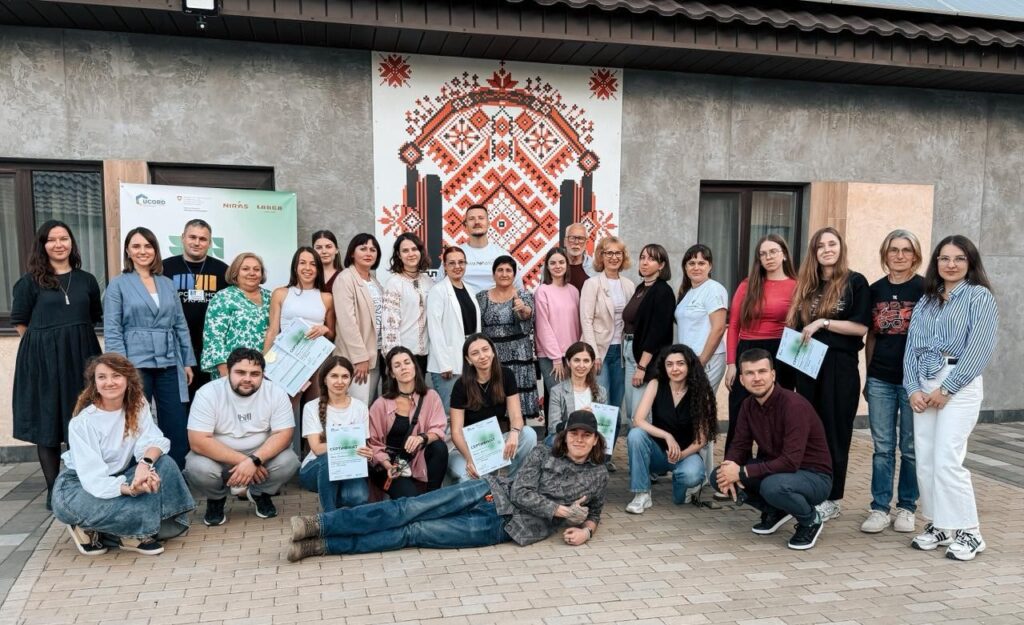
The UCORD project held a series of regional events “Collaboration for Culture” for cultural actors of Sumy, Odesa and Volyn regions, bringing together not only representatives of the cultural sector, but also authorities, local governments and expert circles. The aim of these meetings was to support the implementation of the National Strategy for the Development of Culture of Ukraine until 2030 and to develop practical solutions for the development of the industry on the ground.
The events were organized by the UCORD project in partnership with regional development agencies, regional state (military) administrations, and the NGO “Coalition of Cultural Artists.”
The events became a platform for an open dialogue on institutional changes in the field of culture – in particular, the reform of the network and management of cultural institutions, its opportunities and challenges, as well as how to make these changes understandable and acceptable to the professional community. Participants discussed specific steps in implementing the reform, the role of different levels of government and the importance of a phased approach to change.
Special attention was paid to establishing partnerships and strengthening interaction between the national, regional and local levels. This format allowed not only to exchange experiences, but also to form a common vision for the development of the cultural sphere, where reforms are supported by practice, and decisions are supported by trust and cooperation.


